Why we exist
We are a Collective Voice that Champions the Rights and Well-being of Children with Incarcerated Parents in Africa
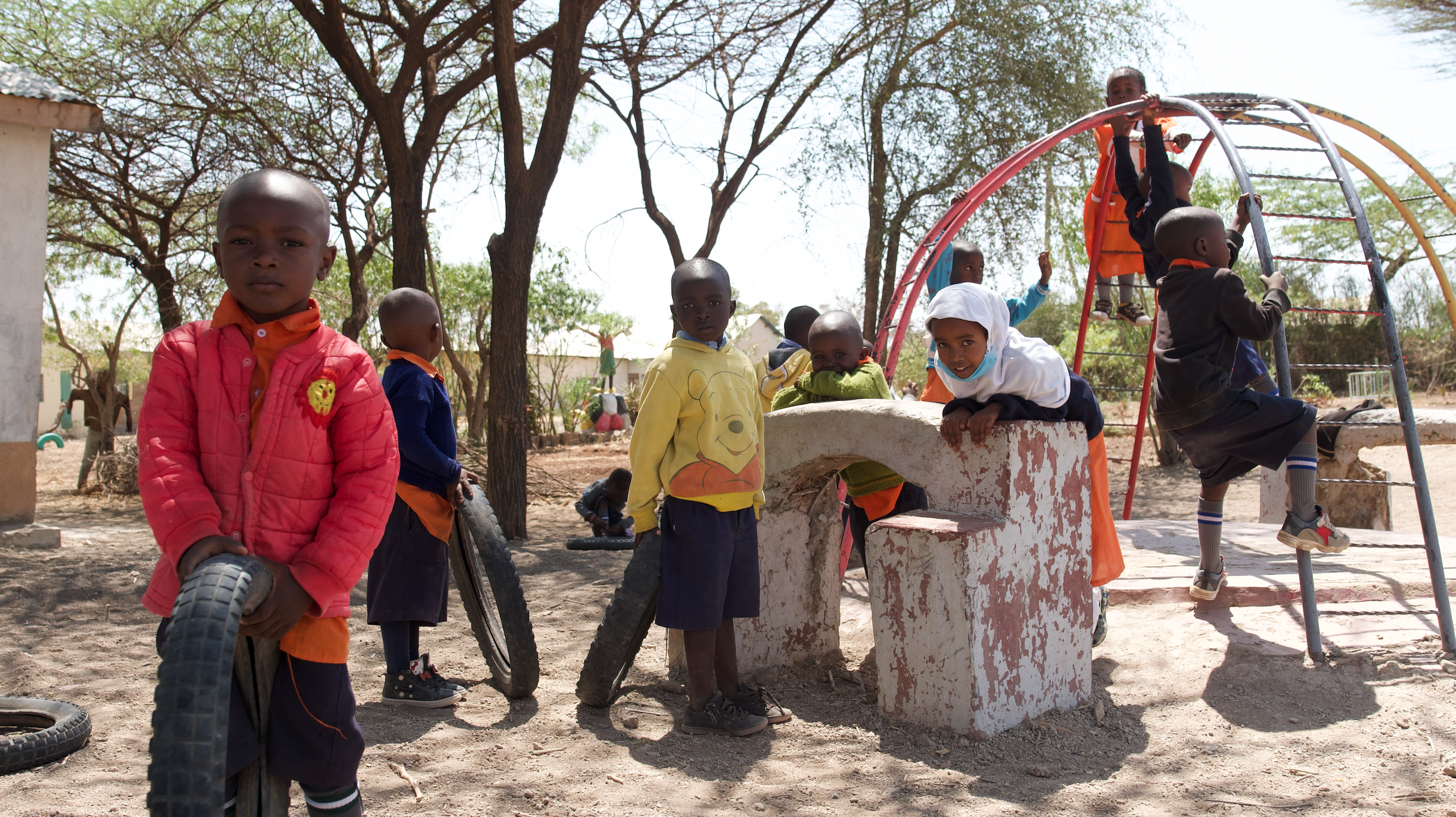
Over 4 million children across Africa have an imprisoned parent
(INCCIP, 2019)
Children of incarcerated parents face heightened vulnerabilities, including stigma, neglect, disrupted education, and a lack of data & policy recognition.
Our mission is to raise awareness, amplify voices, unify and strengthen grassroots movements, and advocate for policies and practices that protect the rights and wellbeing of children with incarcerated parents across Africa.
Through sustained collaboration with our members, we seek to:
Protect children from growing up in unsuitable prison environments without a conviction.
Create inclusive educational environments to prevent children from dropping out of school.
Increase access to psychosocial support to prevent psychological damage.
Issues Affecting Children of Incarcerated Parents in Africa
What existing research has begun to identify and what we are witnessing on the ground.
children living in adult prisons
1
Many imprisoned women are accompanied by young children, while others give birth in prison. Designed for adults, these prisons almost universally lack child-friendly infrastructure to meet children’s needs.
vulnerable Relocated Children
2
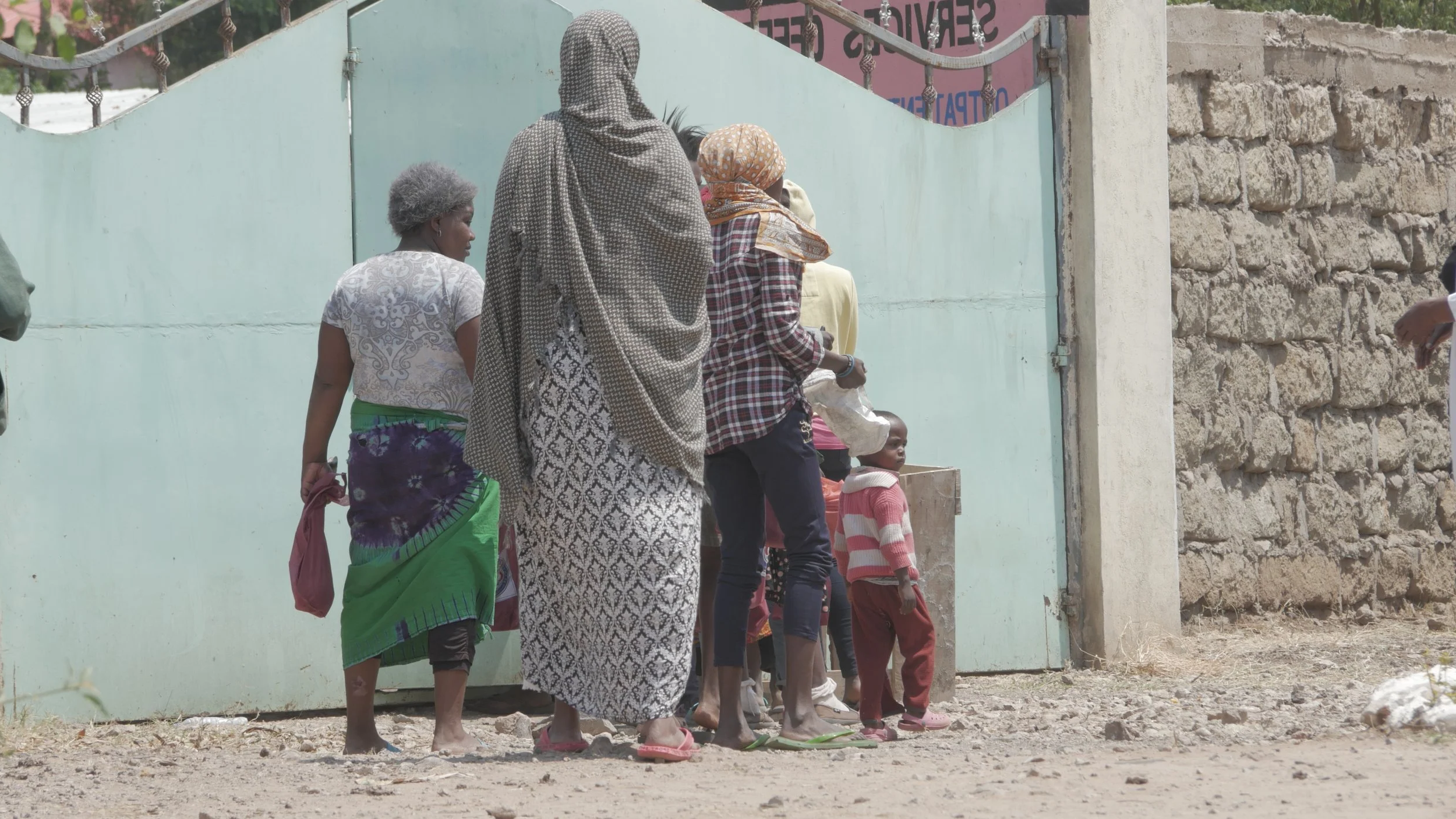
When a parent is imprisoned, many children are left without suitable care or protection. Some are placed with relatives or neighbours who are overburdened and under-resourced, while others are left to head households and care for younger siblings.
Disrupted education
3
Children are at increased risk of missing out on education or dropping out of school entirely.
Emotional Impacts
4
Affected children and families often face stigma and isolation within their communities. Many children are left in emotional turmoil. Children are at increased risk of running away and turning to the street communities for alternative places of belonging.
What we work to change
Catalyse change & Scale investments: Accelerate the development of new services by working with our network of grassroots members.We also seek to facilitate funding to help meet the needs of millions of children who require support.
Building awareness through ResearchToo many affected children remain invisible due to a lack of research in Africa. We aim to connect researchers with our partners to amplify children’s voices and build data that identifies their specific needs, upon which we can advocate for reforms in policy and practice.
Advancing Policy and Systems ChangeWe support our partners to advocate for reforms to address gaps in policy and practice between the court systems, prison services, probation, and children’s services, so that children are better identified, protected, and supported to thrive.