Research Collaborations
Data for Real-World Impact and empowerment
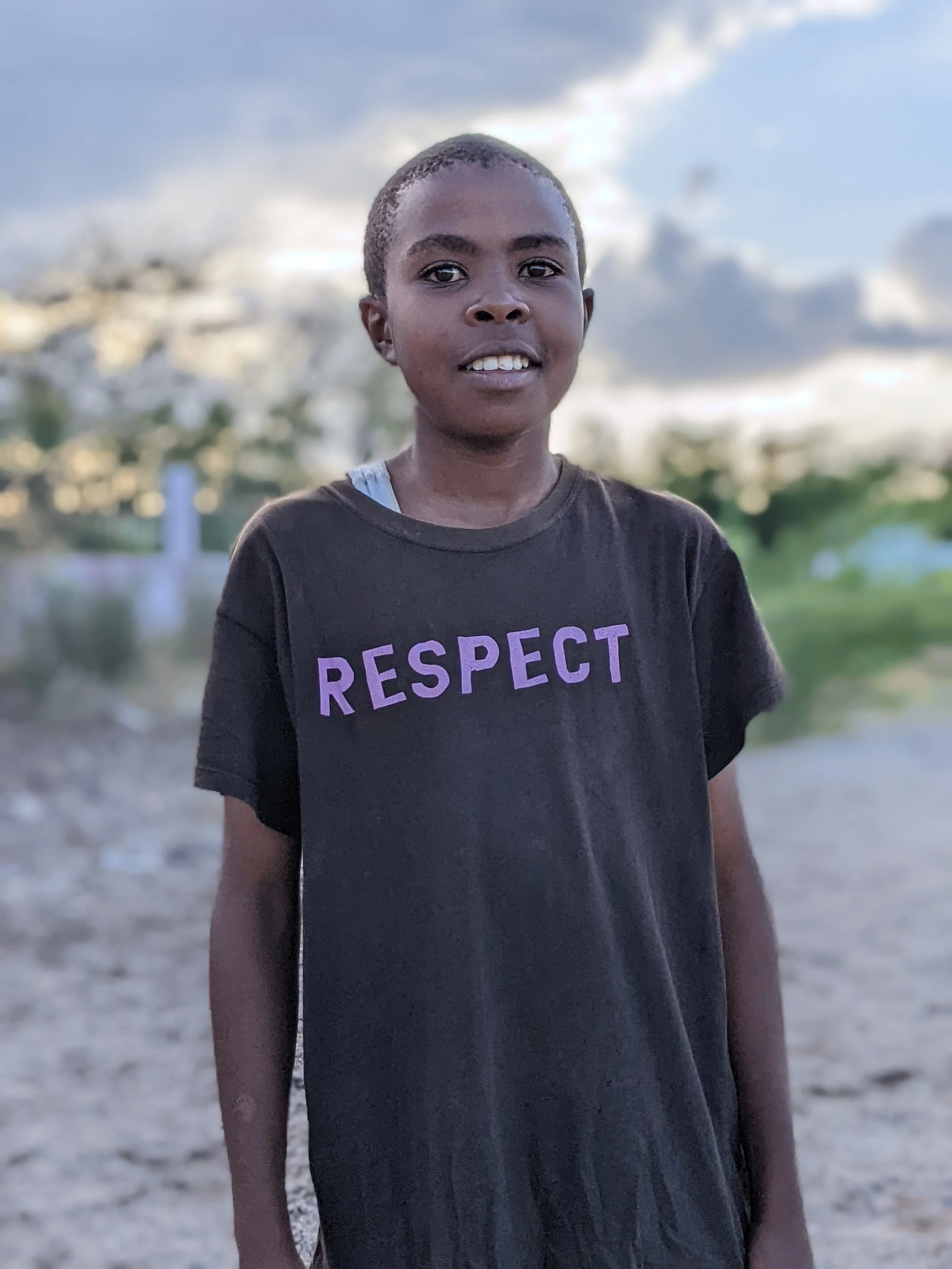
Children affected by parental imprisonment across Africa remain largely invisible in existing research.
We seek to change this and act as a catalyst for research that promotes awareness and enables data-driven advocacy and decision-making. We strive to create a robust, inclusive body of quantitative and qualitative research that captures the diverse realities and lived experiences of children across the continent.
CIPA connects researchers with our partners to generate detailed, context-specific data to inform policy, strengthen programmes, and drive meaningful change and policy reforms.
Through our two main pillars of research, we aim to build insights that not only inform, but empower, ensuring better outcomes for children and families.
Our Core Research Pillars
Quantitative Data Collection
Making children visible through dataChildren affected by parental imprisonment across Africa remain largely invisible in existing data. This includes no reliable data on the number of pregnant women, or infants and young children living in prisons.
A key priority of CIPA is to seek to remedy this by connecting researchers with our partners to build a clear picture of the scale and situation across Africa, and thereby make these children and families visible.
Participatory Child-Centred Research
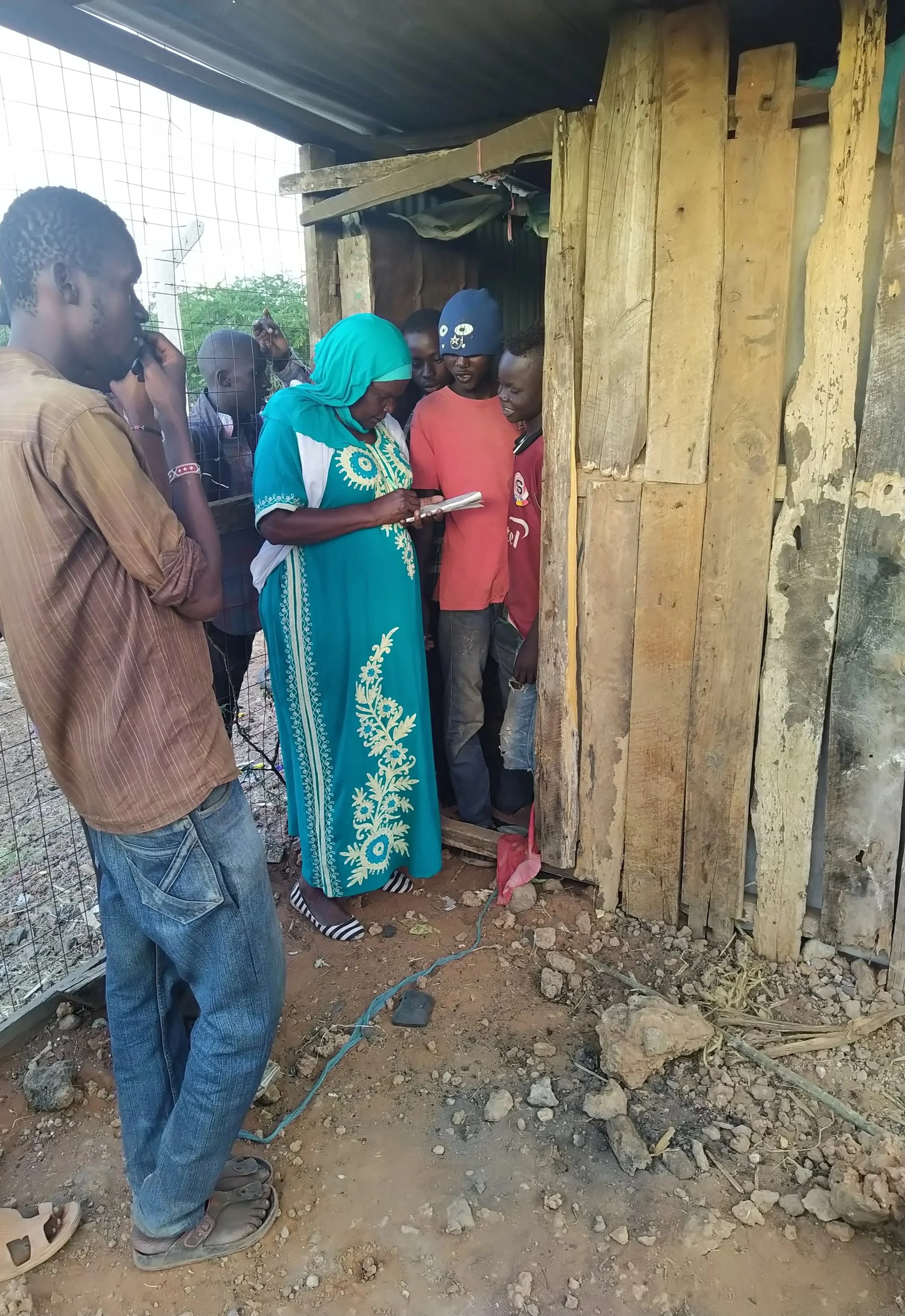
Centring children’s voicesWe support research co-created with children, not just about them. We champion participatory approaches that place children with lived experience of parental imprisonment at the centre of knowledge production.
We connect researchers with our partners to collaborate on ethical, empowering research where children can express their diverse lived experiences and reflections - in developmentally appropriate ways and on their own terms.
Research Areas of Interest
Below are just a few examples of some of the areas we hope to connect researchers with our partners to build rich, empowering, and context-specific data to amplify children’s voices, identify examples of best practice, and inform evidenced-based policy and practice reforms.
children living in adult prisons
We are interested in comparative studies across and within African countries exploring differences in policies and practices relating to foetuses, infants and children living with their incarcerated mothers. This includes capturing an accurate picture of different environmental conditions, early childhood development in these contexts, and the attachment relationships between children and their mothers.
Children Separated from a parent
We are interested in research that explores the diverse experiences of children separated from a parent in prison, including those cared for by extended family, neighbours and wider community, or charitable children’s institutions. One area of particular interest is exploring visitation rights and the quality of contact between children and their parents in prison.
Responses to maternal and paternal incarceration
We seek research that will begin to capture the multiplicity of ways that children respond to maternal and paternal incarceration, in ways that recognise both vulnerabilities and resilience. This includes whether these lived experiences and processing of these circumstances differ depending on whether a mother or father is incarcerated.
Stigma, Discrimination, & Moral Injury
We are interested in research that explores whether and what ways children experience stigma, discrimination, and social judgement in the context of parental imprisonment. This includes understanding how children navigate these experiences including experiences of moral injury and how it shapes their sense of identity and belonging - recognising both harms as well as the the ways children resist, adapt, and assert their own narratives.
Our Research Partners

Akosua Adutwumwaa Adu-Poku, PhD
Lecturer and Researcher in Criminology, Sociology and Deviance (University of Ghana)Akosua Adutwumwaa Adu-Poku is a Postdoctoral Fellow at the Department of Sociology, University of Ghana. Her research focuses on crime, deviance and the criminal justice system, with a particular interest in the experiences of incarcerated parents and the impact of imprisonment on their children.

Stanley Okoth
Program Coordinator at the African Institute for Children Studies (Kenya)As the Program Coordinator at the African Institute for Children Studies and Coordinator of the Children Agenda Forum (CAF), Stanley spearheads advocacy for child-specific indicators within Kenya's Sustainable Development Goals (SDGs). CAF stands as a pioneering catalyst to foster environments conducive to recognizing, safeguarding, and enhancing the well-being of children in Kenya.
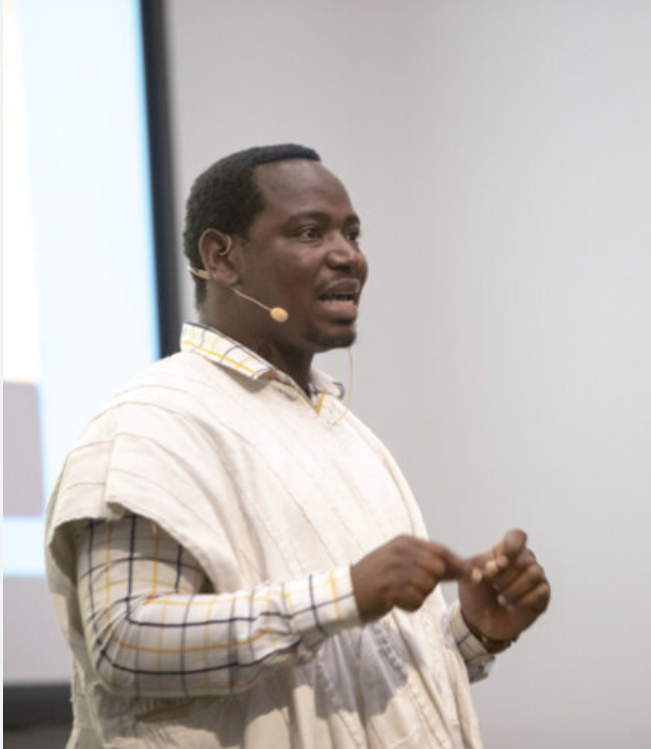
Dr Moses Agaawena Amagnya
Fellow UN SDG Hub, De Montfort University, UKMoses Agaawena Amagnya is a Senior Lecturer in Criminal Justice and Programme Leader for Criminal Investigation and Policing Studies at De Montfort University in Leicester, United Kingdom. As part of his current fellowship with the United Nations SDG Hub at De Montfort University and research agenda, he is interested in supporting CIPA to strengthening their impact in Africa.
How to get involved
If you are an independent researcher, or part of a university or other academic institution or research body, we would love to hear from you.